
Get our free guide to developing your thought leadership
We help women entrepreneurs and executives like you create your Signature Talk, so you can speak with... clarity + conviction + confidence
As seen on

the big summit

we venture

tedx

i summit

wesh 2

pecha kucha

podfest

bizchix live

local 6

spark and hustle

American Marketing Association
You need a Signature Talk that reflects your vision + viewpoint + voice and moves your audience to action.

We help you craft a Signature Talk that:
-
Positions you as an expert and a leader.
-
Builds your credibility and influence.
-
Keeps your audience interested and engaged.
-
Gets you real results from your speaking engagements, both in-person and virtual.
Success Stories
We've helped hundreds of women entrepreneurs and executives create their powerful Signature Talk.

“I delivered my newly created keynote and received $15,000 in sales directly from my presentation the first time I gave it. This was not by accident: we had worked together with the end in mind knowing what I would be offering and crafted a keynote that would not only be valuable to the audience but create a seamless transition to the offer.”
- Amber De La Garza
Over 2 million views
on TED.com
From our first consult call, Tammy Lally's powerful insights into talking honestly and openly about "money shame" so moved me that I knew her message was an idea worth spreading.
The immediate and dramatic reactions from reviewers let us know that the work we had done together would get results.
Her TEDxOrlando talk was so well received that it was selected by the TED organization to be showcased on their home page (only about 50 out of 25,000 TEDx talks are selected for the home page each year). Since August 2018, Tammy's talk has had over 2 million views.
Success! Tammy is changing lives!
"Carol’s process of storytelling is compassionate and smart. With her guidance, I was able to take my story and turn it into a powerful idea worth spreading on the TEDx stage. We all need people to guide us to our greatness. Carol is one of those people."
- Tammy Lally
"Carol Cox is one of the best speaking coaches out there."
- TED Organizer
Ready to create an
Imagine speaking to your audience, sharing your message, making an impact -and getting real results like these women.
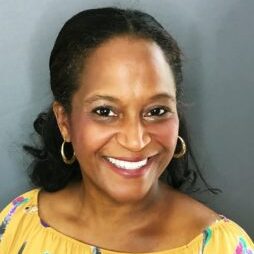
I nailed it again!!! This was my second presentation in the last month where I used the framework and the feedback form. It made all the difference in converting listeners to clients.
After both recent events, I had individuals tell me to contact them because they are a part of another group where they want me to speak, I sold plenty of products (making both of these free events no longer free), and from the first event, I gained several new college coaching clients. That one session to develop my framework has yielded an immediate return.”
— Pam Andrews, Founder of ScholarshipShark.com, Speaker, Podcaster
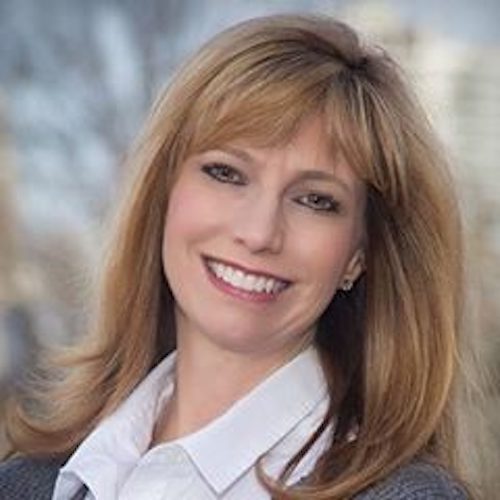
"My speaker feedback soared through the roof with the changes I made. I booked 8 paid speaking engagements this year (virtual now of course) and my average speaking fee was 5x more than it was prior to going through the program.
I filled a workshop using their selling techniques, making multiple four figures in tickets.
I have been on countless podcasts due to learning how to connect and pitch, which has sold many more of my books. Totally worth the investment. When you invest, you take it seriously and you apply the learnings. Their knowledge is worth so much more than what they charge."
- Angela Hosking, Founder of Her One Tribe
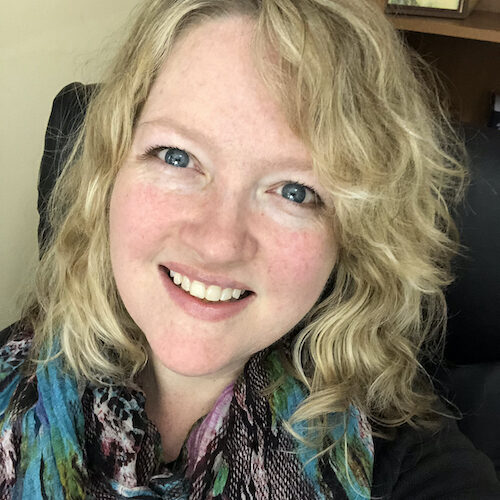
“I booked a VIP Day and have been reaping the benefits in so many ways since then! I have my first “real” signature talk that highlights not only what I do well, but how I want to show up in this world as a thought leader. The components of my signature talk have given me the most flexible structure from which to pull interviews and various talks.
In 8 months I have been on 8 podcasts, done 8 Declutter & De-Stress workshops, 2 live video interviews, a guest speaker spot at a wellness night, and being a speaker and morning facilitator at a women’s retreat.
And because of this consistent structure, I have the basis for a paid membership coaching program I am designing.”
- Lisa Zawrotny, Speaker and Coach
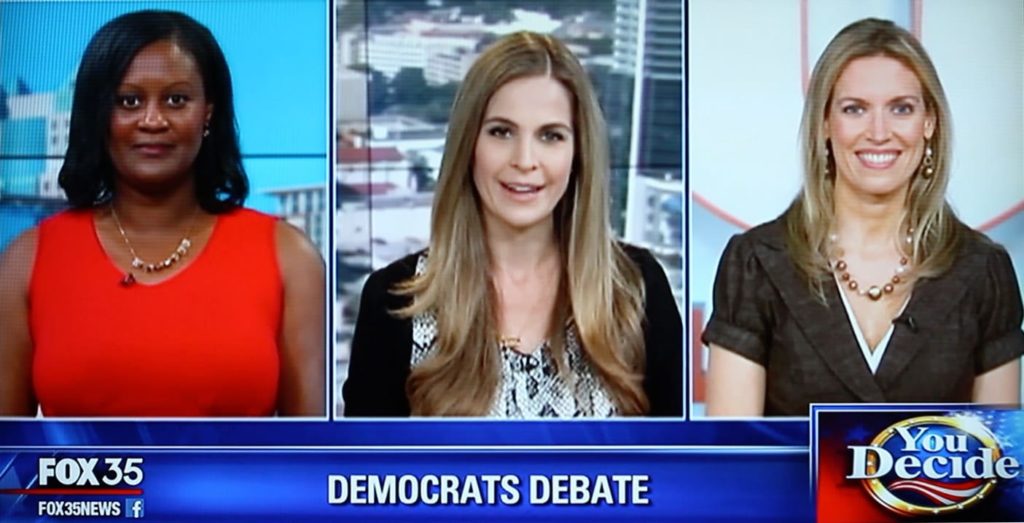
Our mission:
More women in positions of influence and leadership.
We believe that speaking and visibility raise the profile of women and their businesses on stages, in boardrooms, in the media, in communities, and in politics.
On stages large and small, from conferences to industry groups to workshops to webinars, Speaking Your Brand® coaches have been creating and delivering presentations for 20+ years.
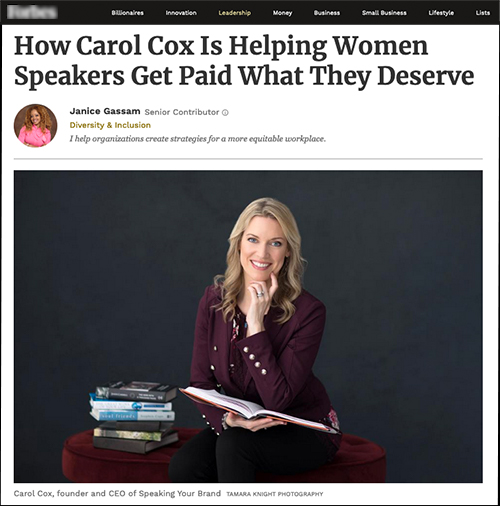
Carol Morgan Cox is the founder of Speaking Your Brand® and host of the 5-star rated Speaking Your Brand podcast.
With her extensive background in entrepreneurship, marketing, politics, higher education, history, and literature, she's combined them into a unique and proven process and framework.
Our coaches are trained and certified in the Speaking Your Brand® framework and have years of experience in business, marketing, and sales.
With their help, you can turn your presentations into so much more than a slide deck, making it a reflection of what you do, who you help, and why it matters. The result?